
America's Seed Fund
NSF SBIR grant writers for up to $2M in non-dilutive funding
Expert guidance alongside the official NSF resources
GrantUp is an independent consultancy. NSF's official site, seedfund.nsf.gov, sets the rules and makes invitation and award decisions. Our PhD-level grant writers help you explain the research challenge, plan feasibility experiments and prepare a compliant submission. Start with the Project Pitch; an invitation is the next step toward a full Phase I application.
- 1. Project Pitch: establish fit. Name the innovation, unresolved technical risk, customer need and team capability. We help connect these four answers into a clear case for NSF review.
- 2. Phase I: test feasibility. After an invitation, turn the research risk into experiments, measurable success criteria and milestones. We align the technical narrative and budget with that work plan.
- 3. Submission: check the requirements. Confirm the invitation terms, current solicitation, registration status and required documents. We review compliance and support submission; NSF determines the outcome.
Already have an invitation? Review the Phase I proposal format requirements. Starting with an idea? Book a free eligibility call to discuss your research challenge and application readiness.
How the program works
Step 1
Project Pitch
A short pitch NSF reviews within weeks to confirm your fit. Get it wrong and you never reach the full proposal. We write pitches that clear this gate.
Step 2
Phase I full proposal
Invited proposals cover technical innovation, R&D plan, team and commercial opportunity. Awards are up to $305,000 over 6-12 months.
Step 3
Phase II
Phase I awardees can pursue up to $1M for development, with supplements and matching programs taking total NSF support toward $2M.
Award values follow the current NSF solicitation. Confirm figures and deadlines at seedfund.nsf.gov.
Inside the NSF Project Pitch
The Project Pitch is a short, structured submission that decides whether NSF invites your full proposal. It asks four questions, and each one has a failure mode we see repeatedly in first drafts.
The technology innovation
What is genuinely new, and what technical barrier does it clear? NSF wants a specific scientific or engineering hurdle, stated plainly. Drafts fail here when they describe a product feature instead of a research problem.
The technical challenges and risks
Why has this not been done already, and what could still go wrong? Reviewers reward founders who name the hard parts honestly and show a credible path through them, and they discount pitches that claim the risk is already retired.
The market opportunity
Who buys this, how large is the reachable market, and what evidence of demand exists? A named customer segment with early traction signals scores far above a generic industry-size claim.
The company and team
Why is this the team to do it? NSF looks for the technical depth to execute the R&D and the commercial awareness to carry it to market, including advisers and partners who fill the gaps.
We write Project Pitches that clear this gate the first time. Book a free eligibility call to pressure-test yours.
Technical topics NSF funds
NSF funds nearly any technology area, provided the work is genuine research with commercial potential. These are the topic areas where our writers have the deepest bench strength.
Artificial intelligence & software
Novel models, edge inference, data infrastructure and applied ML with a real research question.
Biotechnology & life sciences
Platform biology, diagnostics, research tools and bioprocessing that reach beyond a single product.
Semiconductors & quantum
Devices, materials, sensing and compute hardware at the research frontier.
Wireless & communications
5G/6G, spectrum, IoT and network technologies with measurable performance gains.
Advanced manufacturing
Robotics, additive processes, novel materials and production scale-up.
Energy & climate
Storage, grid technology, carbon management and industrial decarbonization.
Space & defense-adjacent
Dual-use sensing, propulsion, autonomy and resilient systems.
Medical devices & digital health
Diagnostics, monitoring and decision support with a credible validation plan.
Working in health or life sciences? See our life sciences grant writing and NIH SBIR guide.
Guides to each NSF program
What each stage funds, what reviewers score and where applications lose marks.
NSF Project Pitch
Gateway to a Phase I invitation
What a strong NSF Project Pitch looks like and how to write one. Technical risk, innovation and commercial impact in three pages, with expert review.
Read the NSF Project Pitch guideNSF SBIR Phase I
Up to $305,000
NSF SBIR Phase I awards fund feasibility research with no equity taken. We write invited Phase I proposals for deep tech and life sciences startups.
Read the NSF SBIR Phase I guideNSF SBIR Phase II
Up to $1,000,000
NSF SBIR Phase II funds development and scale-up after a successful Phase I. We write Phase II proposals with the technical and commercial case reviewers score.
Read the NSF SBIR Phase II guidePhase II supplements
Additional funding on top of Phase II
NSF supplements can take total SBIR support toward $2M. We help Phase II awardees secure TECP, Phase IIB matching and partnership supplements.
Read the Phase II supplements guideNSF STTR
Same award levels as SBIR Phase I and II
NSF STTR funds startups partnering formally with a research institution. We structure the partnership, IP terms and proposal so the collaboration scores.
Read the NSF STTR guideWhat NSF reviewers actually assess
Intellectual merit
Is the innovation technically risky and genuinely novel? Reviewers look for a real research challenge, not incremental engineering.
Broader impacts
Commercial potential, societal benefit and the path to market. The section most technical founders under-serve.
Team & capability
Evidence that your team, facilities and partners can actually execute the proposed R&D plan.
Intellectual Merit and Broader Impacts, in depth
Every NSF proposal is scored on these two criteria, and every reviewer writes to them explicitly. Here is what each one demands in an SBIR context, and where most drafts lose their marks.
Intellectual Merit: prove this is research
NSF funds high-risk technical innovation, so reviewers start by asking whether the proposal contains a genuine research question. A strong Intellectual Merit case names the specific scientific or engineering barrier, explains why existing approaches have failed to clear it, and sets out a hypothesis-driven plan with measurable technical objectives. Reviewers want to see what new knowledge the work creates if it succeeds, and what the field learns even if parts of it fail.
Where drafts lose marks: describing a product roadmap instead of a research problem, claiming novelty without citing the state of the art, and listing objectives without success criteria a reviewer could check. We write this section as a research argument first and a product story second, because that is the order reviewers read it in.
Broader Impacts: prove the work matters beyond the lab
For SBIR, Broader Impacts is the commercial and societal case. Reviewers look for a defined market and customer, a credible pathway from Phase I results to a sellable product, the economic benefit the technology creates, and any wider contribution to science, workforce or society. NSF treats commercialization itself as a broader impact, so this section carries the business case for the entire proposal.
Where drafts lose marks: a single paragraph of generic market-size claims, a customer described as "everyone in the industry", and a commercialization plan that starts after Phase II with no letters of interest, pilot partners or pricing logic. We ground this section in named customer segments, evidence of demand and a staged path to revenue, because reviewers score specificity.
How NSF panels score your proposal
NSF SBIR proposals go through merit review by a panel of independent technical and commercial experts, and the mechanics of that review shape how a winning draft is written.
Independent written reviews
Each reviewer reads and scores your proposal on its own before any discussion. Every section has to stand alone, because a reviewer may score your technical plan without ever reading your commercialization section twice. We write so each criterion is answered where the reviewer expects to find it.
Panel discussion and summary
Reviewers then meet as a panel to compare proposals and agree a summary. The proposals that survive panel are the ones a reviewer can defend in one sentence: a clear technical barrier, a credible plan, a real market. We write that sentence for them and build the proposal around it.
Program director recommendation
The panel advises; the program director decides, weighing portfolio fit, topic balance and the review record. A proposal that reads as fundable on every criterion gives the program director the easiest possible decision, which is the standard we write to.
Technical requirements NSF reviewers score
The Project Pitch and full proposal each carry specific technical expectations. These are the requirements we build every NSF submission around.
A named technical barrier
NSF funds research, so the pitch must identify the specific scientific or engineering problem your innovation solves and explain why it has resisted earlier attempts. General product development without a research challenge scores poorly.
Technical objectives with measurable endpoints
Phase I work plans need concrete objectives and defined success criteria, such as a validated prototype, a proof of concept or performance benchmarks, so reviewers can judge feasibility.
A phased R&D plan
Reviewers look for a clear line from Phase I feasibility to Phase II development and on to commercialization, with the technical risk retired at each step.
Broader impacts with substance
The commercialization narrative, societal benefit and pathway to market carry real weight in NSF scoring, and they are the section most technical founders under-serve.
Team and facilities evidence
The proposal must show the people, equipment and partners able to execute the plan, including key personnel credentials and any subcontracted expertise.
Solicitation compliance
Formatting, page limits, budget justification and registration requirements (SAM.gov, UEI) must all be exact, since non-compliant submissions are removed before review.
NSF SBIR deadlines and submission windows
America's Seed Fund runs several submission windows each year, and the Project Pitch can be submitted at any time. The founders who win plan backwards from a window: registrations first, pitch second, full proposal last.
Registrations: start weeks ahead
SAM.gov, UEI and SBIR.gov registrations must be active before a full proposal can be submitted, and SAM.gov alone can take several weeks to validate. We start these on day one of an engagement.
Project Pitch: rolling, reviewed in weeks
The Pitch is accepted year-round and NSF responds within a few weeks. A strong pitch early in a cycle leaves maximum time to write the invited full proposal before the window closes.
Full proposal: fixed windows
Invited Phase I proposals are due in NSF's published submission windows. A competitive draft needs four to eight weeks, so the pitch-to-window gap decides how much polish the proposal gets.
Current window dates are published at seedfund.nsf.gov.
What the NSF solicitation actually requires
The current NSF SBIR/STTR solicitation sets exact requirements for every invited Phase I proposal. Miss one and the submission is returned without review. These are the requirements we build every NSF application around.
Project Pitch, before anything else
A short structured pitch covering the innovation, technical challenges, market and team. NSF responds within a few weeks, and only invited companies may submit a full proposal.
A 15-page technical proposal
The core document covers the technical innovation, objectives and work plan, the market opportunity, the company and team, and broader impacts, all within the solicitation's page limits and formatting rules.
Budget and budget justification
Phase I budgets up to $305,000 with a line-item justification covering personnel, equipment, materials, subawards and indirect costs, consistent with NSF's current solicitation rates.
Biosketches and facilities
NSF-format biographical sketches for the principal investigator and key personnel, plus a facilities, equipment and other resources statement showing the work can be executed as proposed.
Active federal registrations
SAM.gov with a current UEI, plus SBIR.gov company registration, all active before submission. SAM.gov validation alone can take several weeks, so we start registrations on day one.
Letters and supporting documents
Letters of support from prospective customers or partners, data management plans and any required certifications, each in the format the current solicitation specifies.
Requirements follow the current NSF SBIR/STTR solicitation. Confirm the latest version at seedfund.nsf.gov, or read our NSF format requirements guide.
NSF SBIR success stories from our team
Our consultants have taken companies from first Project Pitch to funded Phase I and Phase II awards. A few examples of the work behind the $240M+ our team has won.
NSF Phase I, deep tech software
A first-time applicant with a strong platform and no grant experience. We shaped the Project Pitch around the technical barrier, wrote the full proposal, and the company was funded on its first submission.
NSF Phase II, advanced manufacturing
A Phase I awardee preparing a Phase II with commercialization gaps. We rebuilt the market case around named customers and pilot evidence, and the proposal was funded with supplemental support.
Resubmission turnaround
A declined Phase I with mixed reviewer comments. We rewrote the technical objectives against the feedback, tightened the broader impacts section, and the resubmission was funded in the next window.
See funded projects with agency, sector and award value in our case studies.
NSF SBIR success rates and how to beat them
NSF Phase I is one of the most competitive federal grant competitions: roughly one in six invited full proposals is funded in a typical cycle, and the Project Pitch filters out many more companies before that stage. The founders who win share three habits.
They treat the pitch as a proposal
The Project Pitch reads like a research argument with a named technical barrier, not a product teaser. Pitches that clear the gate answer all four NSF questions with the same rigor as a full proposal.
They write to the review criteria
Every section maps to Intellectual Merit or Broader Impacts, the two criteria reviewers score explicitly. Winning drafts make the reviewer's job easy by signposting which criterion each paragraph serves.
They revise against feedback
NSF shares reviewer comments on declined proposals, and resubmissions with revised technical narratives fund at a meaningfully higher rate than first attempts. A declined proposal is a draft with reviewer notes attached.
For the numbers across every agency, see our SBIR success rates guide, and for what a professionally written proposal costs against those odds, our SBIR proposal cost breakdown.
Founder questions about NSF SBIR
What does an NSF SBIR grant consultant do?
We shape the Project Pitch so it clears the eligibility review, then write and edit the full proposal: technical objectives and R&D plan, broader impacts and commercialization, team credentials, budget justification and supporting documents, aligned with how NSF reviewers score each section.
What are the technical requirements for a Project Pitch?
The Pitch covers the technical innovation, the technical challenges and risks, the market opportunity and the company and team. NSF checks that the idea is early-stage innovation with a genuine research problem, so the pitch must name the technical barrier, explain why it is hard, and show a credible path through it.
How long does an NSF SBIR proposal take to prepare?
The Project Pitch is short, but a competitive Phase I proposal typically needs several weeks of focused work across the technical narrative, broader impacts and budget. Starting early leaves room for review cycles, and our proposal review service covers teams that already have a draft close to a deadline.
Can you write for STTR as well as SBIR?
Yes. The STTR program follows the same award structure with a required partnership between a small business and a US research institution. We write the joint technical narrative and coordinate the institutional and business leads so the submission reads as one plan.
How is NSF scoring different from other agencies?
NSF scores intellectual merit and broader impacts explicitly, and its reviewers are academic and industry experts focused on early-stage technical risk. DoD and NIH weight mission alignment and commercialization plans differently, so the same draft rarely wins across agencies without a rewrite.
For the full application walkthrough, see our guide to applying for SBIR funding, or read how our Project Pitch guide covers the first gate in detail.
Your NSF SBIR consultants: grant writers for startups
Named PhD-level NSF SBIR consultants who have written and won US SBIR submissions across NSF, NIH and DOE. As grant writers for startups, our team has helped secure more than $240 million in grant funding.
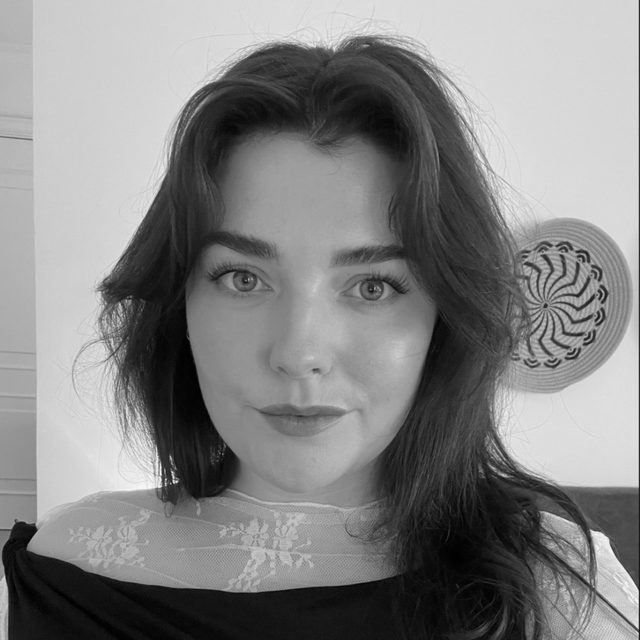
Jessica Vernon
Lead Innovation Consultant
Writes Project Pitch, Phase I and Phase II for NSF, NIH and DOE, plus ARPA-E. Has taken companies through successful Project Pitches and Phase I awards.
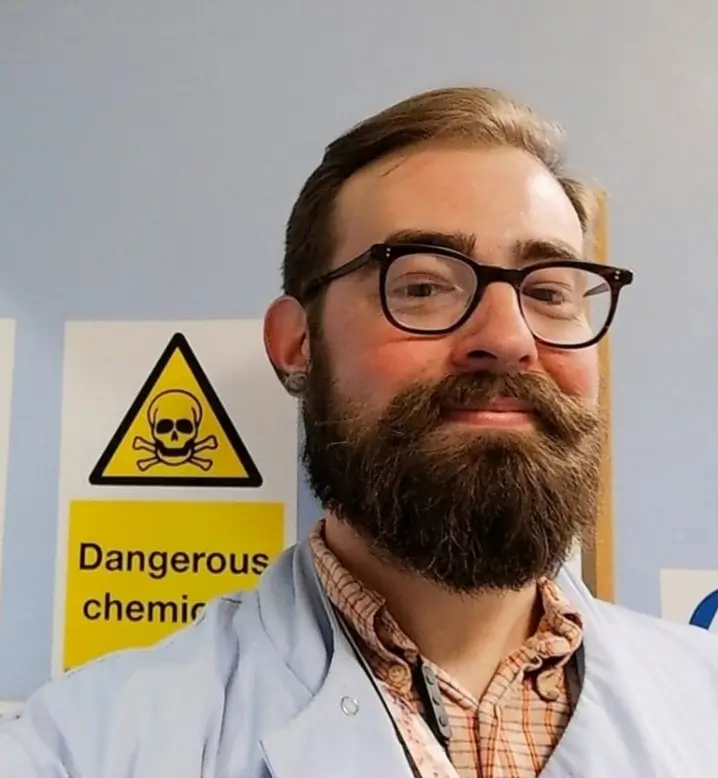
Dr Felix Warren
Lead Innovation Consultant
Writes NSF and NIH Project Pitches and Phase I proposals, and has reviewed more than 500 grant applications from the other side of the table.
Dr Thomas Kelly
Lead Innovation Consultant
Has written and won NSF Project Pitches and reviewed Phase I proposals, so he reads a draft the way a program director does.
Are you eligible?
- A for-profit US small business with fewer than 500 employees
- Majority owned by US citizens or permanent residents
- Performing the funded R&D work in the United States
- Proposing a technical innovation with real commercial potential
Beyond NSF, we also support NIH, DOE, DoD, DARPA, USDA and NASA SBIR/STTR applications, and we'll tell you which agency is the strongest fit before you invest weeks in a submission.
Meet the federal grant writers who handle those submissions, or talk to an SBIR consultant about your Project Pitch.
Free download
NSF SBIR Phase I readiness checklist and federal deadline calendar
Two pages, no email required. Every registration, eligibility test and proposal section you need before you write, plus the next deadline for NSF, NIH, DoD, DOE, NASA and USDA with the date you realistically need to start.
- 37-point readiness checklist
- Six agency deadlines with lead times
Thinking about an NSF Project Pitch?
Book a free consultation and we'll assess your fit against the current solicitation before you write a word.